Showing posts with label Fragrances Explained. Show all posts

Monday, July 31, 2023

Fragrances in Indian Culture

 Fragrances play a significant role in India's culture and history. India has a rich tradition of using fragrances in various aspects of life, including religious rituals, personal care, and perfumery. The diverse range of aromas and the country's deep-rooted traditions make India a fascinating destination for fragrance enthusiasts and lovers of aromatic experiences.

Religious and Spiritual Significance


Fragrances are an integral part of religious practices in India. Incense sticks, known as agarbatti or dhoop, are widely used in Hindu, Buddhist, and Jain temples, as well as in homes during prayers and ceremonies. The pleasant aroma of incense purifies the surroundings and creates a spiritually uplifting atmosphere.

Traditional Incense Making


India has a long history of incense making, with different regions specializing in unique fragrances and blends. Various natural ingredients, including herbs, spices, resins, and floral extracts, are combined to create distinct aromas that are used in daily rituals, meditation, and yoga practices.


Ayurvedic Tradition

India has a longstanding tradition of Ayurveda, a system of traditional medicine. Ayurveda places great importance on fragrances and their therapeutic effects on the body and mind. Essential oils derived from various plants and herbs are used in Ayurvedic treatments, to promote relaxation, balance, and overall well-being.

Attar and Perfume Production


India is known for its exquisite perfumes and attars (concentrated perfume oils). Kannauj in Uttar Pradesh is renowned for its centuries-old perfume-making industry. Traditional methods are used to extract fragrances from flowers, such as roses, jasmine, and sandalwood, resulting in high-quality attars. These fragrances are used in personal care products, perfumes, and even as natural air fresheners.


Floral Offerings and Garlands

Flowers are an integral part of Indian culture, and their scents are appreciated and valued. In religious ceremonies, devotees offer garlands made of fresh flowers to deities as a sign of devotion. The aromatic flowers, like jasmine and marigold, are chosen for their pleasant fragrance, adding to the sacred ambiance of temples and shrines.

Fragrant Spices and Cuisine

Fragrances also find their way into Indian cuisine through the use of aromatic spices. Spices like cardamom, cinnamon, cloves, and saffron impart delightful aromas to traditional dishes. The scent of these spices enhances the taste and adds depth and character to Indian culinary experiences.

Overall, fragrances hold a special place in Indian culture, being used for religious practices, personal care, perfumery, and even in culinary creations. 


Tuesday, July 11, 2023

Anosmia - Temporary Disability to Smell


Temporary disability to smell, known as anosmia, can occur due to various factors, such as respiratory infections, nasal congestion, head injuries, certain medications, or exposure to certain chemicals. When someone experiences a temporary loss of smell, it can have several effects on their daily life and well-being.


Losing the ability to smell can significantly affect one's sensory experience. Smell plays a crucial role in our perception of taste since the brain combines taste and smell sensations to create flavors. As a result, anosmia can lead to a reduced sense of taste and enjoyment of food.

Without the ability to fully perceive flavors, individuals with anosmia may experience changes in their eating habits. Some may lose interest in food, while others may overcompensate by consuming overly salty or sweet foods. Maintaining a balanced diet can become more challenging.


Our sense of smell is closely tied to our emotions and memories. Losing the ability to smell can be emotionally challenging and may lead to feelings of frustration, isolation, or even depression. Scents are often associated with specific memories, and the absence of these olfactory cues can be disorienting.

Smell plays a role in personal hygiene, social interactions, and intimacy. Anosmia can affect one's ability to detect body odors, recognize others based on their scent, or enjoy the pleasurable smells associated with personal care products or perfumes. This can impact social dynamics and personal relationships.


In many cases, temporary anosmia resolves on its own as the underlying cause is treated or subsides. However, it's important to consult a healthcare professional if experiencing a sudden loss of smell to determine the cause and appropriate treatment. Sometimes, certain medications or therapies may be recommended to aid in the recovery of olfactory function.

Temporary anosmia differs from permanent anosmia, which is a long-term or permanent loss of smell. The duration and underlying cause of the anosmia will determine the impact and appropriate course of action.

Sunday, July 2, 2023

Fragrances and Memories


    Memories and fragrances are closely linked through a phenomenon known as the "Proustian effect" or "odor-evoked memories." The sense of smell uniquely can trigger vivid memories and emotions more powerfully than any other sense. This is because the olfactory system, responsible for detecting odors, is closely connected to the brain regions involved in memory and emotion processing.

    When we experience an event or encounter something, our brain processes the information and forms memories. The brain encodes various sensory details, including the sights, sounds, tastes, touches, and scents associated with that experience.


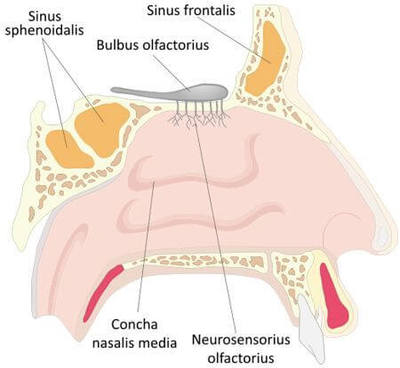
    The olfactory system, responsible for detecting and processing smells, is closely linked to the limbic system in the brain which plays a crucial role in memory formation, emotional processing, and the regulation of behavior. When we encounter a particular fragrance, it can trigger a strong emotional response. This emotional response becomes linked to the specific scent and can be stored as a memory.

    Fragrances are often encountered in specific contexts or environments, such as a particular place, event, or time. Our brain can associate the smell with the context in which it was experienced, forming a contextual cue that triggers memories when we encounter the same fragrance again.

    The brain forms neural connections between the olfactory system and the hippocampus, a region involved in memory consolidation. These connections allow odors to activate stored memories more effectively. When we encounter a fragrance that is associated with a particular memory or experience, the olfactory system detects the odor and activates the associated neural pathways. This activation can retrieve the stored memory, allowing us to vividly recall past experiences and emotions.


    The strong link between memories and fragrances is believed to be due to the evolutionary importance of the sense of smell for our survival. Smells can serve as potent cues for recognizing and remembering important things, such as food sources, dangers, or familiar individuals.

    Not all fragrances evoke memories for everyone, as the strength and specificity of the association can vary among individuals. Personal experiences and cultural factors can also influence the types of memories and emotions specific scents trigger.